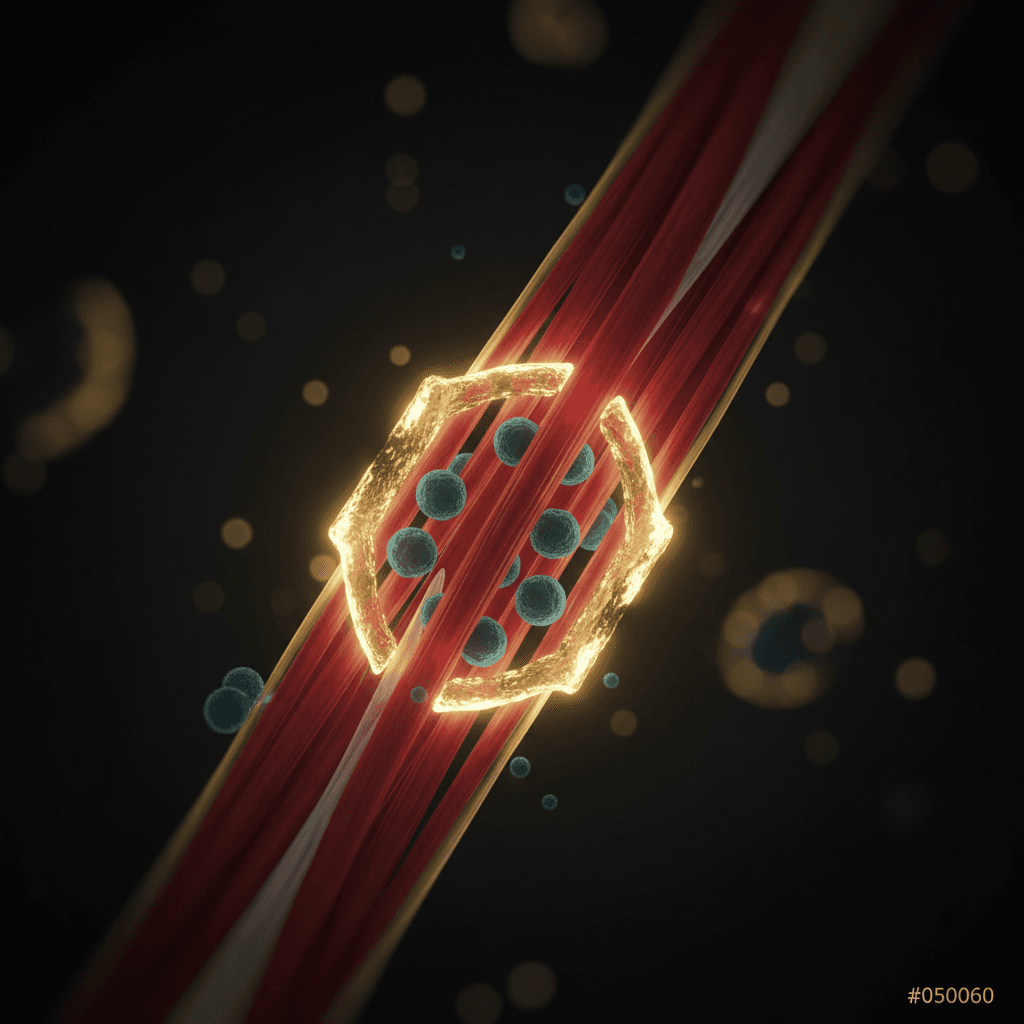
Follistatin
Potential Benefits
- Research confirms follistatin's role as a myostatin inhibitor, which may support muscle growth
- Animal studies (including gene therapy approaches) demonstrate increased muscle mass
- May support muscle preservation and recovery based on preclinical data
- Research suggests roles in reproductive health and follicular development
- Preclinical data indicates potential applications in muscular dystrophy
Recommended Starting Dose
100 mcg subcutaneously (highly experimental; no established clinical dose)
Based on published research protocols. Not a prescription.
Dosing Protocol
No established clinical dosing protocol. Research and anecdotal protocols vary. Some sources describe 100 mcg subcutaneously daily for 10-30 days. Gene therapy approaches (AAV-follistatin) have been studied in muscular dystrophy clinical trials at academic centers. This remains a highly experimental area.
DOSING INFORMATION DISCLAIMER: Any dosing information, protocols, or ranges discussed on this site are drawn from published research studies and clinical literature. They are presented for educational reference only and must not be used as self-medication guidance.
Expected Timeline
Phase 1
Anecdotal reports suggest potential effects on strength and recovery within 2-4 weeks. No validated human timeline data exists for exogenous peptide administration.
Research Status
The regulatory status of peptides can change at any time. Verify current FDA classification and legal status in your jurisdiction before seeking medical consultation about this compound.
Potential Side Effects
- Very limited human data for exogenous follistatin administration
- Potential effects on reproductive hormones (activin/inhibin balance)
- Theoretical concerns about uncontrolled tissue growth
- Joint and tendon strain from rapid muscle development (theoretical)
- Quality control concerns with commercially available products
- Long-term safety is not established
More in Growth Hormone
CJC-1295 (no DAC) / Mod GRF 1-29
CJC-1295 without DAC
CJC-1295 without DAC (also known as Modified GRF 1-29) is a synthetic growth hormone-releasing hormone (GHRH) analog. It stimulates the pituitary gland to release growth hormone in a pulsatile fashion, mimicking the body's natural rhythm. It is often paired with a GHRP like Ipamorelin for synergistic effects.

CJC-1295 DAC
CJC-1295 with Drug Affinity Complex
CJC-1295 with DAC is a long-acting GHRH analog that includes a Drug Affinity Complex, which binds to albumin in the blood and extends its half-life to approximately 6-8 days. This results in sustained elevation of growth hormone levels rather than pulsatile release. It was developed by ConjuChem Biotechnologies.

Ipamorelin
Ipamorelin
Ipamorelin is a selective growth hormone secretagogue that acts on the ghrelin receptor to stimulate growth hormone release from the pituitary gland. It is considered one of the milder GH secretagogues, producing a targeted GH pulse without significant increases in cortisol, prolactin, or appetite. It is frequently combined with CJC-1295 (no DAC).
Medical Disclaimer
EDUCATIONAL CONTENT ONLY: The peptide information presented on this page is compiled from published scientific literature, peer-reviewed research, and publicly available clinical data. It is provided strictly for educational purposes and does not constitute medical advice, an endorsement of any specific peptide, or a recommendation for treatment. Many peptides discussed on this site have not received FDA approval for human therapeutic use. Some may be under active regulatory review or subject to restrictions on compounding under FDA Section 503A and 503B frameworks. The regulatory status of individual peptides can change at any time. Readers should verify the current legal status of any peptide in their jurisdiction before pursuing further information or consultation. If you are considering peptide therapy, seek guidance from a licensed physician or healthcare provider who specializes in peptide-based treatments and operates within applicable federal and state regulations.