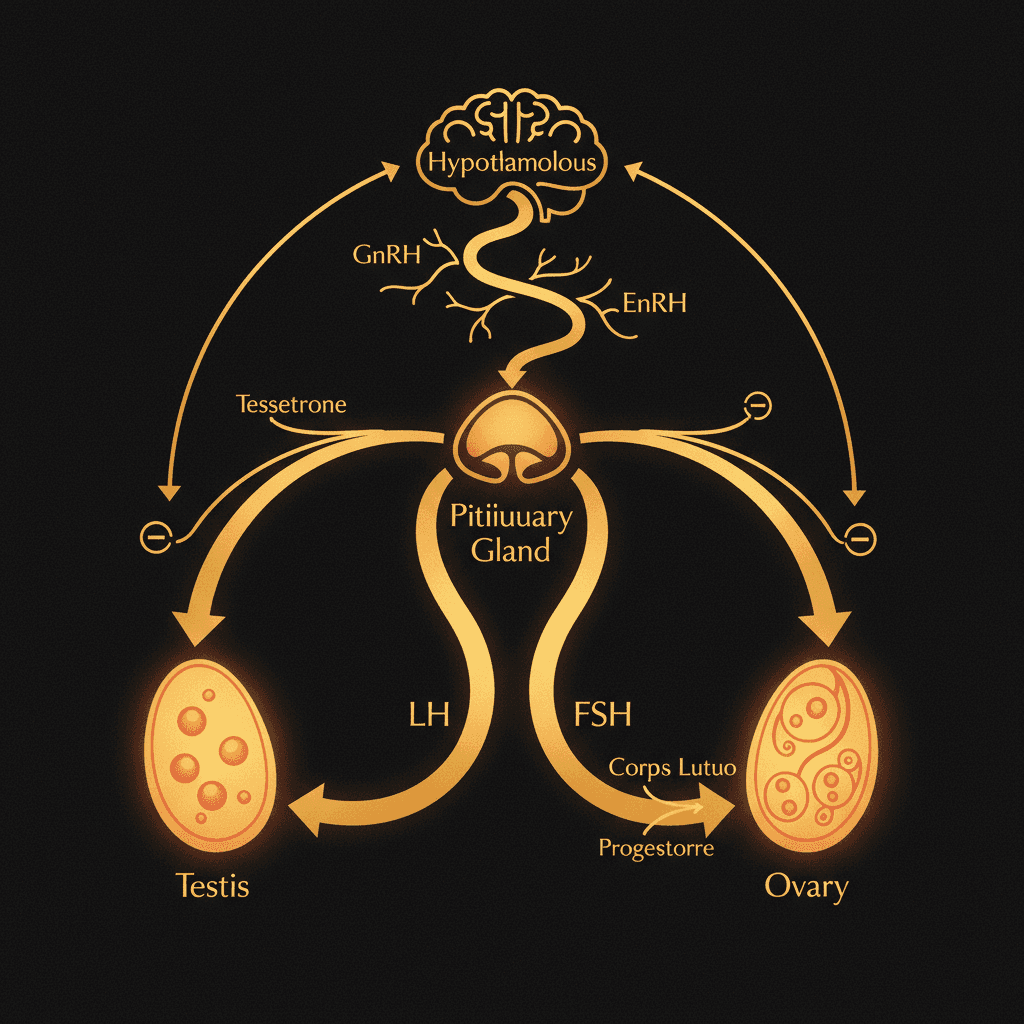
Gonadorelin
Gonadorelin (GnRH)
Potential Benefits
- FDA-approved for evaluating pituitary gonadotropic function
- May support maintenance of endogenous testosterone production during hormone optimization protocols
- Research supports its use in fertility treatments to trigger ovulation
- Mimics the natural GnRH pulse, supporting physiologic hormone production
- Used clinically to assess hypothalamic-pituitary-gonadal axis function
Recommended Starting Dose
100 mcg subcutaneously or intravenously (diagnostic dose); therapeutic doses vary
Based on published research protocols. Not a prescription.
Dosing Protocol
Diagnostic: 100 mcg IV with LH/FSH measurement at baseline and 15, 30, 45, 60, and 120 minutes. Therapeutic (off-label): 50-100 mcg subcutaneously 2-3 times per week for maintaining testicular function during testosterone therapy. Pulsatile pump delivery at 75-200 ng/kg every 90-120 minutes for fertility.
DOSING INFORMATION DISCLAIMER: Any dosing information, protocols, or ranges discussed on this site are drawn from published research studies and clinical literature. They are presented for educational reference only and must not be used as self-medication guidance.
Expected Timeline
Phase 1
Diagnostic LH/FSH response occurs within minutes. Therapeutic effects on testicular function may be assessed over 4-8 weeks.
Research Status
The regulatory status of peptides can change at any time. Verify current FDA classification and legal status in your jurisdiction before seeking medical consultation about this compound.
Potential Side Effects
- Headache
- Nausea
- Flushing
- Injection site reactions
- Abdominal discomfort
- Lightheadedness
- Potential for allergic reactions (rare)
- Continuous (non-pulsatile) administration can paradoxically suppress gonadotropins
More in Sexual Health

PT-141
Bremelanotide
PT-141 (bremelanotide) is a synthetic melanocortin receptor agonist that acts on the MC3R and MC4R receptors in the central nervous system. Unlike PDE5 inhibitors that act on vascular mechanisms, PT-141 works through the brain's arousal pathways. It is FDA-approved under the brand name Vyleesi for hypoactive sexual desire disorder (HSDD) in premenopausal women.
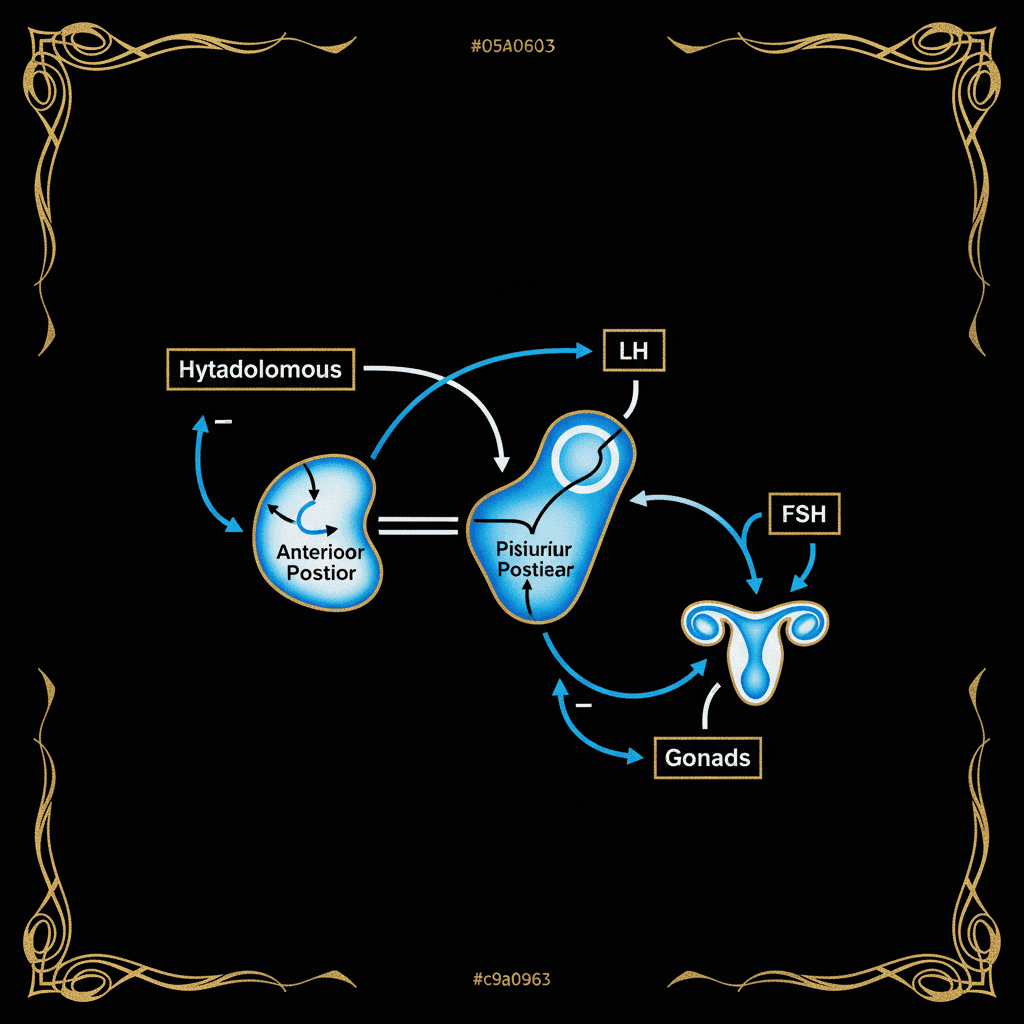
Kisspeptin
Kisspeptin
Kisspeptin is a neuropeptide encoded by the KISS1 gene that plays a central role in initiating puberty and regulating the hypothalamic-pituitary-gonadal (HPG) axis. It stimulates the release of GnRH from the hypothalamus, which in turn triggers LH and FSH secretion. Research has expanded beyond reproduction to include studies on sexual arousal, mood, and metabolic function.
Medical Disclaimer
EDUCATIONAL CONTENT ONLY: The peptide information presented on this page is compiled from published scientific literature, peer-reviewed research, and publicly available clinical data. It is provided strictly for educational purposes and does not constitute medical advice, an endorsement of any specific peptide, or a recommendation for treatment. Many peptides discussed on this site have not received FDA approval for human therapeutic use. Some may be under active regulatory review or subject to restrictions on compounding under FDA Section 503A and 503B frameworks. The regulatory status of individual peptides can change at any time. Readers should verify the current legal status of any peptide in their jurisdiction before pursuing further information or consultation. If you are considering peptide therapy, seek guidance from a licensed physician or healthcare provider who specializes in peptide-based treatments and operates within applicable federal and state regulations.