
PT-141
Bremelanotide
Potential Benefits
- FDA-approved for hypoactive sexual desire disorder in premenopausal women
- Acts through central nervous system arousal pathways rather than peripheral vascular effects
- Clinical trials demonstrated increased sexual desire and reduced distress related to low desire
- May benefit both men and women based on earlier clinical research
- Does not require ongoing daily dosing; used on-demand
Recommended Starting Dose
1.75 mg subcutaneously (FDA-approved dose for HSDD)
Based on published research protocols. Not a prescription.
Dosing Protocol
FDA-approved dosing is 1.75 mg subcutaneously in the abdomen or thigh, administered at least 45 minutes before anticipated sexual activity. No more than one dose per 24 hours and no more than 8 doses per month. Lower doses (500 mcg-1 mg) are sometimes used off-label.
DOSING INFORMATION DISCLAIMER: Any dosing information, protocols, or ranges discussed on this site are drawn from published research studies and clinical literature. They are presented for educational reference only and must not be used as self-medication guidance.
Expected Timeline
Phase 1
Effects typically begin within 45 minutes to 2 hours after injection and may last several hours.
Research Status
The regulatory status of peptides can change at any time. Verify current FDA classification and legal status in your jurisdiction before seeking medical consultation about this compound.
Potential Side Effects
- Nausea (most common, reported in ~40% of clinical trial participants)
- Flushing
- Headache
- Injection site reactions
- Transient increase in blood pressure
- Skin hyperpigmentation with repeated use
- Not recommended for use more than once every 24 hours or more than 8 times per month
More in Sexual Health
Kisspeptin
Kisspeptin
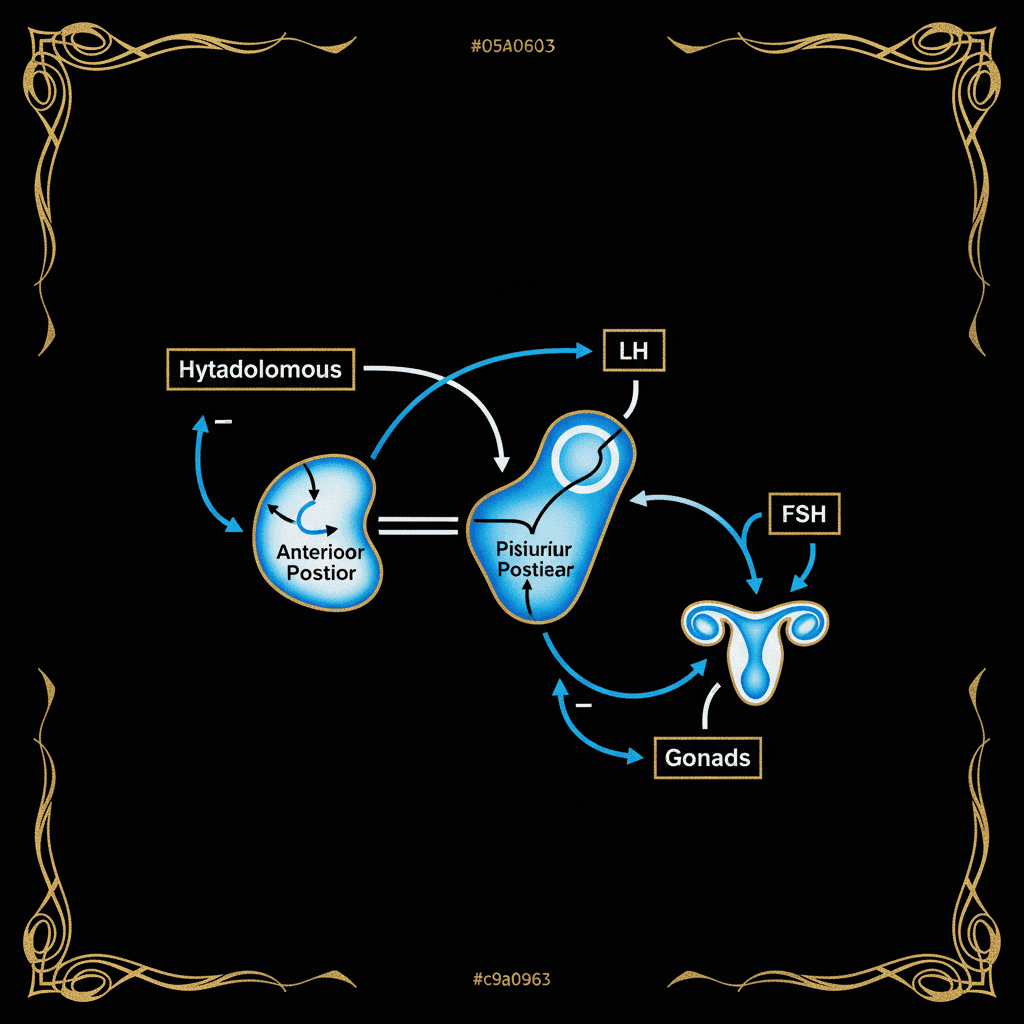
Kisspeptin is a neuropeptide encoded by the KISS1 gene that plays a central role in initiating puberty and regulating the hypothalamic-pituitary-gonadal (HPG) axis. It stimulates the release of GnRH from the hypothalamus, which in turn triggers LH and FSH secretion. Research has expanded beyond reproduction to include studies on sexual arousal, mood, and metabolic function.
Gonadorelin
Gonadorelin (GnRH)
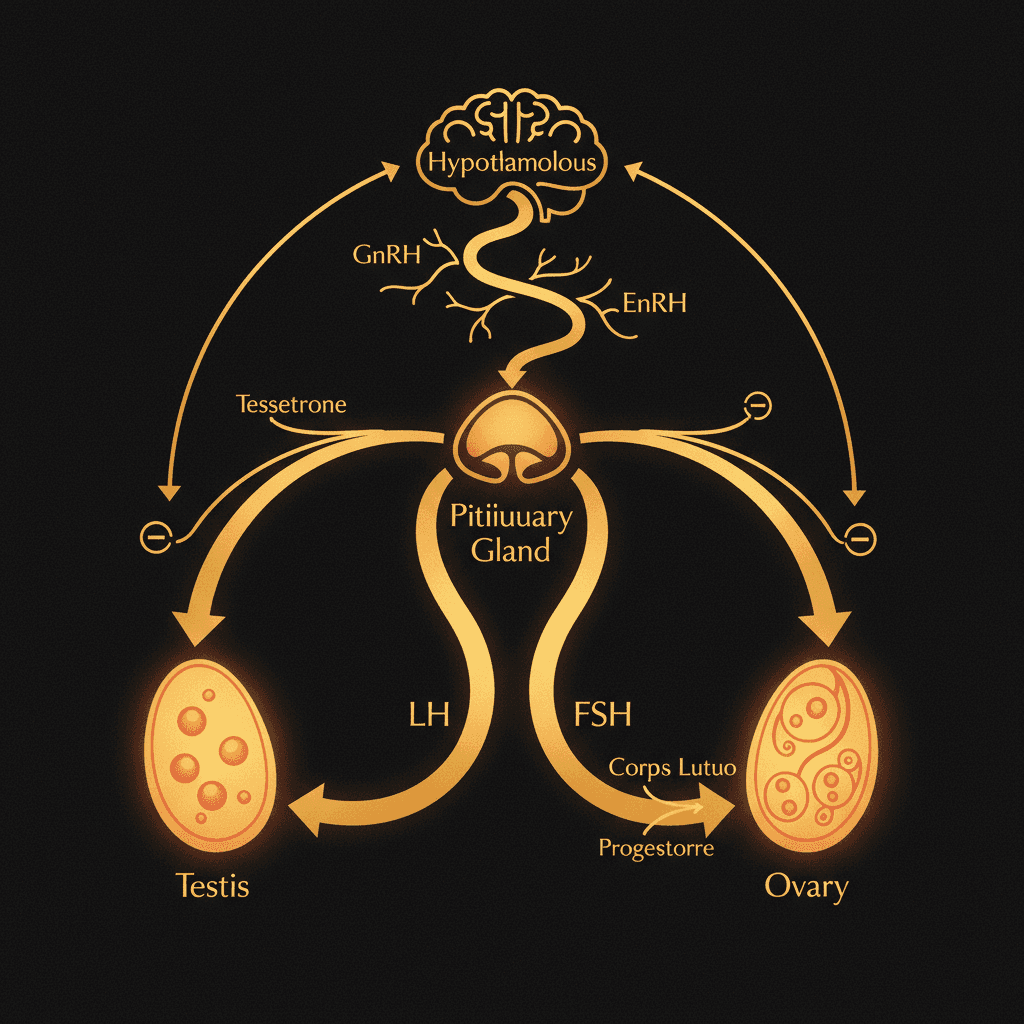
Gonadorelin is a synthetic version of gonadotropin-releasing hormone (GnRH), identical to the naturally occurring decapeptide produced by the hypothalamus. It stimulates the anterior pituitary to release luteinizing hormone (LH) and follicle-stimulating hormone (FSH). It has FDA-approved diagnostic and therapeutic applications.
Medical Disclaimer
EDUCATIONAL CONTENT ONLY: The peptide information presented on this page is compiled from published scientific literature, peer-reviewed research, and publicly available clinical data. It is provided strictly for educational purposes and does not constitute medical advice, an endorsement of any specific peptide, or a recommendation for treatment. Many peptides discussed on this site have not received FDA approval for human therapeutic use. Some may be under active regulatory review or subject to restrictions on compounding under FDA Section 503A and 503B frameworks. The regulatory status of individual peptides can change at any time. Readers should verify the current legal status of any peptide in their jurisdiction before pursuing further information or consultation. If you are considering peptide therapy, seek guidance from a licensed physician or healthcare provider who specializes in peptide-based treatments and operates within applicable federal and state regulations.